

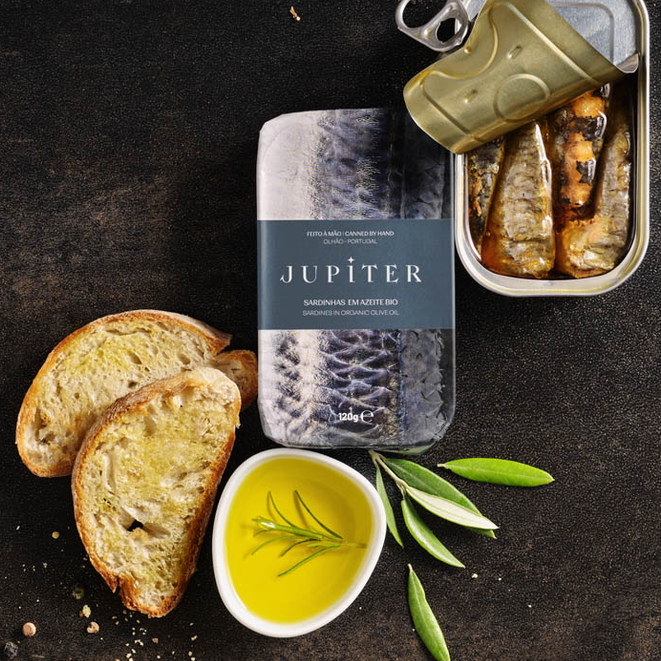

Portuguese Products - A Comprehensive Guide to the Flavors of Portugal
Portuguese products - more than just food
When talking about Portugal, the first things that usually come to mind are the sunny Atlantic coasts, the colourful streets of Lisbon, the old town of Porto, or the impressive beaches of the Algarve. However, anyone who has travelled to this country at least once knows that the true acquaintance with Portugal begins not with its sights, but with its table.
In Portugal, food is not just a daily necessity. It is an important part of the country's culture, closely linked to history, family traditions, and respect for quality ingredients. Many recipes here are made in the same way they were made a hundred or even two hundred years ago, and a significant number of family businesses still continue the work started by their ancestors.
That is why Portuguese products are valued all over the world today. They are not created according to short-term trends or marketing fads. Their foundation lies in natural raw materials, many years of experience, and the conviction that the best taste emerges when the product is allowed to remain true to itself.
In this guide, we invite you to discover Portugal through its gastronomy. We will review the most important Portuguese products, their history, regions, production traditions, and advise you on how to recognise authentic products made in Portugal. Whether you are planning a trip to Portugal or looking for true Portuguese flavours in Lithuania, you will find everything you need to know in this article.
Why has Portugal become one of Europe's most interesting gastronomic countries?
Portugal occupies a relatively small territory on the western edge of Europe, but its gastronomic heritage far exceeds the country's size. Over more than eight centuries, its cuisine has combined the best Portugal had to offer – Atlantic ocean bounty, fertile land, a sunny climate, and an openness to the world.
Unlike many other European countries, Portuguese cuisine was not shaped solely by agriculture. The greatest influence came from the sea.
More than 800 kilometres of Atlantic coastline meant not only abundant fish catches. The sea has been the main trade route for centuries, connecting Portugal with Africa, South America, and Asia. New spices, fruits, sugar, tea, and coffee arrived in the country through its ports, but the Portuguese did not turn them into symbols of luxury. They naturally incorporated them into their cuisine, maintaining the main principle – the ingredient is always more important than a complex recipe.
This philosophy has remained to this day. Because of it, you will rarely find long lists of ingredients in Portuguese dishes. Instead, a few carefully selected products dominate, their quality speaking for itself.
The Atlantic Ocean - Portugal's greatest treasure
If one factor had to be singled out as having the greatest impact on Portuguese gastronomy, it would undoubtedly be the Atlantic Ocean.
The ocean has fed the country for centuries, shaping its economy and way of life. To this day, many coastal towns start their day with fishing boats returning to port, and the menus of local restaurants often depend on the day's catch.
In Portugal, fish is not considered a product eaten only on special occasions. It is a part of the daily diet. As a result, the Portuguese are among the highest consumers of fish in Europe.
This connection to the sea has also led to Portugal's global reputation for canned goods. To preserve fish for longer periods, the Portuguese perfected canning methods that are now considered among the most advanced in the world. High-quality canned goods are still produced today based on principles that emerged in the 19th century.
Journeys that changed Portuguese cuisine
In the 15th century, Portugal became one of the most important maritime nations in the world. Portuguese navigators reached Madeira, the Azores, the west coast of Africa, India, Brazil, and the Far East.
These journeys changed not only world maps but also Portuguese cuisine.
Black pepper, cinnamon, cloves, nutmeg, sugarcane, citrus fruits, and many other ingredients arrived in the country, gradually becoming an integral part of local gastronomy.
However, the Portuguese never tried to overpower the main product. Spices were used not to hide the taste, but to subtly complement it. This approach has remained to this day and is perfectly reflected in both traditional recipes and high-quality canned goods.
The philosophy of Portuguese gastronomy: less is more
One of the greatest peculiarities of Portuguese cuisine is its ability to create a memorable taste using very few ingredients.
If pasta plays a big role in Italy, and complex sauces in France, in Portugal, the product itself takes centre stage.
Fresh fish, olive oil, garlic, parsley, lemon, and sea salt – these are the ingredients the Portuguese have been using for centuries. Instead of complex recipes, they opt for quality raw materials and simple preparation.
For this reason, you will find a short and clear list of ingredients in many Portuguese products. This is no accident – it is part of a long-standing gastronomic philosophy.
Traditions protected by families
One of the distinctive features of Portuguese gastronomy is the remarkably high number of family businesses.
Walking through Portuguese towns, you can find bakeries, olive oil mills, cheese producers, and canning factories whose history spans more than a century.
In such companies, recipes are often passed down from generation to generation. Even more importantly, the approach to quality is passed down. For many of them, it is more important to produce less but better, rather than to pursue the largest possible production volumes.
This attitude can be felt when tasting many traditional Portuguese products. They are not created to be as cheap as possible. They are created to preserve what a particular family or region is proud of.
Each region of Portugal has its own flavour
Portuguese gastronomy is not homogenous. As you travel from north to south, not only the landscape but also the local products change.
In the north, richer dishes prevail, in the mountain regions famous sheep's milk cheeses are produced, in the central part of the country canning traditions are cherished, and in the south, in the Algarve, seafood, olives, and citrus fruits dominate.
It is precisely this regional diversity that makes Portuguese gastronomy so interesting. There is no single product that can tell the whole story of the country. Only by getting to know different regions can one understand why Portugal is today considered one of the most authentic gastronomic destinations in Europe.
Portugal - a country best discovered through its products
Many tourists taste Portuguese products for the first time completely by chance – in a small family café, a local market, or a coastal restaurant. However, it is precisely such moments that often become the most vivid memories of a trip.
Not because of complex recipes or luxury. But because of the simple, authentic taste, which reflects respect for the product and long-standing experience.
Further in this guide, we will delve into the most important Portuguese products – from the world-famous sardines and bacalhau to olive oil, traditional cheeses, desserts, spices, and other gastronomic symbols that have helped Portugal earn a unique place on the world culinary map.
The most important Portuguese products - Portuguese flavours worth knowing
To understand Portuguese gastronomy, it is not enough to know the names of one or two products or to taste a few popular items. Each of them tells a different story – about the Atlantic Ocean, the traditions of a specific region, family businesses, or recipes perfected over centuries.
Therefore, the Portuguese are not just proud of their cuisine. They are proud of the people who create these products.
In this section, we will review the most important Portuguese products. Not just what they are famous for, but also why they have become an inseparable part of Portuguese culture.
1. Portuguese Sardines - the symbol of the country's gastronomy
If people around the world were asked to name one product they associate with Portugal, it is very likely that sardines would be at the top of the list.
However, for the Portuguese, they mean much more than just canned fish.
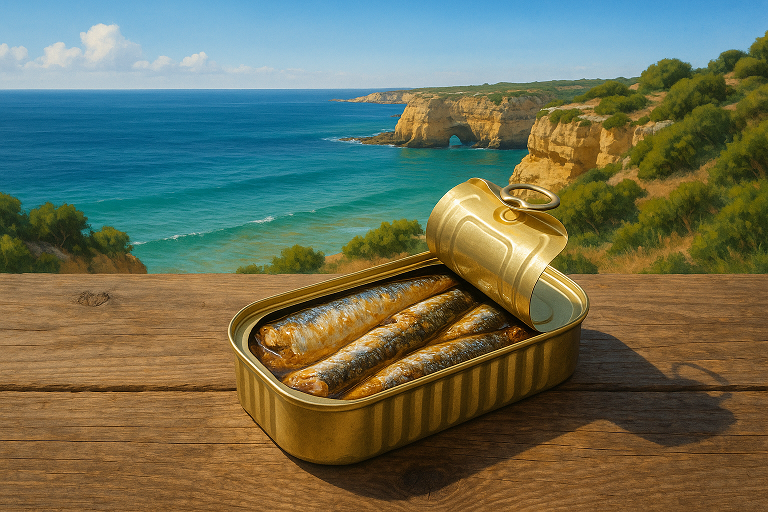
Sardines in Portugal represent summer festivals, family dinners, coastal town traditions, and a canning industry that dates back over a century and a half.
During the Saint Anthony (Santo António) festivities in June, held in many towns, the aroma of grilled sardines fills the air. Locals eat them with simple country bread, boiled potatoes, or salads. There are no complex sauces or luxurious garnishes – just good fish and respect for its flavour.
This tradition perfectly reflects the entire philosophy of Portuguese gastronomy.
How was the famous canning culture born?
In the second half of the 19th century, the first modern canning factories began to appear along the Portuguese coast. At that time, fresh fish was abundant, but it needed to be preserved for longer.
Thus began an industry that soon became one of Portugal's most important exports.
Interestingly, many of the factories operating today trace their history back over a century. Some are still owned by the same families.
Why are Portuguese sardines so highly valued?
The distinctiveness of high-quality Portuguese sardines is determined by not one, but several factors.
First and foremost – the Atlantic Ocean. Colder and oxygen-rich waters create favourable conditions for sturdy, fleshy fish to grow.
Second – freshness. The best producers process the fish shortly after catching it.
Third – production traditions. In many factories, part of the process is still done by hand: fish is sorted, placed in cans, and carefully covered with oil or sauce.
It is precisely this attention to detail that has led Portuguese canned goods to be considered among the highest quality in the world today.
2. Bacalhau - a product without which Portugal is unimaginable
If sardines are Portugal's face to the world, then bacalhau is the true heart of Portuguese cuisine.
Bacalhau is salted and dried cod. Although the fish itself is usually caught in the waters of the North Atlantic, it was the Portuguese who perfected its preparation and use for centuries.
In Portugal, it is often said that bacalhau can be prepared in at least 365 different ways – one recipe for each day of the year. This saying perfectly illustrates the product's importance in local cuisine.
Bacalhau is baked in the oven, stewed with onions and olive oil, mixed with potatoes, added to casseroles or soups. Many families have their own recipe, passed down from generation to generation.
3. Olive oil – one of Portugal's greatest prides
Although Italian and Spanish olive oil are more frequently discussed, Portugal has for many years remained among the producers of the highest quality olive oil in Europe.
The largest olive farms are located in the Alentejo and Trás-os-Montes regions. The prevailing climate here allows for the cultivation of aromatic olives, from which high-quality extra virgin olive oil is pressed.
In Portuguese cuisine, olive oil is not just an ingredient. It is used almost daily – to flavour salads, fish, soups, vegetables, and even simple country bread.
Therefore, it's no wonder that the Portuguese often say: good olive oil can change half a recipe.
4. Tuna - a gift from the Atlantic
Portugal has long been famous for tuna fishing, especially in the southern regions and the Atlantic islands.
High-quality Portuguese canned tuna is usually made from whole fillet pieces, which retain their natural texture. Unlike shredded tuna, the fillet allows for a better appreciation of the fish's true flavour.
The Portuguese often use tuna in salads, rice dishes, pasta, or simply serve it with olive oil and fresh bread.
5. Mackerel - an undeservedly lesser-known Portuguese pride
Mackerel often remains in the shadow of sardines, although it is no less valued in Portugal.
Its flesh has a richer flavour, is naturally rich in Omega-3 fatty acids, and retains its succulence well when canned.
Mackerel is canned in olive oil, tomato sauce, mustard sauce, or spicy marinades.
Due to their versatile taste, they are perfect for both everyday dishes and gourmet appetizer platters.
6. Octopus - one of Portugal's favourite delicacies
While octopus may still seem like an exotic product to many in Lithuania, in Portugal it is a common part of the cuisine.
Especially in the Algarve region, octopus is prepared in dozens of different ways.
They can be found:
-
grilled;
-
stewed in olive oil;
-
in salads;
-
in rice dishes;
-
canned.
Well-prepared octopus has a tender texture and a delicate taste, making it one of the most valued seafood products.
7. Squid and Cuttlefish
Cuttlefish and squid caught off the Portuguese coast are an integral part of the local cuisine.
One of the most famous dishes is rice with cuttlefish ink, which gives the dish a distinctive black colour and rich flavour.
Canned squid is often prepared with olive oil, garlic, tomatoes, or its own ink. This preserves the natural taste of the sea and allows this product to be enjoyed throughout the year.
8. Olives - a daily companion on the Portuguese table
Before the main course in Portuguese restaurants, a small plate of olives often appears on the table.
This is a simple tradition, but it perfectly reflects the local attitude towards food – there's no need for complicated appetisers when a quality product speaks for itself.
Several local olive varieties are grown in Portugal, offering different flavours – from mild to more intense and bitter.
9. Traditional Portuguese cheeses
Although Portugal is most often associated with seafood, excellent cheeses have been produced in the country's mountainous regions for centuries.
The most famous of these is Serra da Estrela, made from sheep's milk.
Its texture is soft, almost creamy, so the cheese is often eaten simply spread on bread.
Another well-known product is Azeitão cheese, produced near Lisbon.
Both of these products are protected by European Union designations of origin and are considered an important part of Portugal's gastronomic heritage.
10. Pastel de Nata - a dessert that has become Portugal's calling card
Few desserts in the world have become as recognisable as Pastel de Nata.
This flaky pastry tart with a creamy custard filling was first created in a monastery near Lisbon in the 18th century.
Today, it is baked all over Portugal, but many locals still debate where the best one can be tasted.
Traditionally, Pastel de Nata is eaten still warm, lightly dusted with cinnamon or powdered sugar, and served with strong Portuguese coffee.
11. Port Wine - more than a drink
Although this article is dedicated to food products, it is impossible not to mention one of Portugal's most famous symbols – Port wine.
It is produced exclusively in the Douro Valley from local grape varieties and aged in the Porto region.
Port wine is a product with protected geographical indication. This means that only a drink produced in this region can be called Port wine.
This is an excellent example of how Portugal protects its gastronomic heritage and regional traditions.
Products united by the same philosophy
Although Portuguese products are very diverse, they are united by a common approach to quality.
In Portugal, the aim is rarely to impress with complexity. Much more important are well-raised fish, high-quality olive oil, natural spices, and respect for traditional production processes.
Perhaps that is why Portuguese gastronomy is so easily memorable. It does not try to surprise with effects – it allows the product itself to speak.
In the next section of this guide, we will look at another important aspect – how to recognise authentic Portuguese products, how they differ from similar products in other countries, and what to look for when choosing them in a store or travelling in Portugal.
Portuguese gastronomic culture - why food is a way of life here
To truly understand Portuguese products, it's not enough to know their names or taste a few popular items. In Portugal, food is an inseparable part of daily life. It brings together families, friends, and communities, and many traditions have remained almost unchanged for centuries.
That is why, in Portugal, even the simplest dish often leaves a greater impression than luxurious dinners in other countries. The secret lies not in the complexity of the recipes, but in the quality of the ingredients and the attitude towards food.
Why do the Portuguese value local products so much?
In Portugal, there is still a very strong connection with local farmers, fishermen, and small producers.
In many cities and towns, weekly markets remain an important part of daily life. Here, people buy seasonal vegetables, fruits, cheeses, olives, honey, fresh fish, and other local products.
For the Portuguese, it's not just what they eat that matters, but also who produced the product. Often, they don't choose the cheapest option, but rather the producer they have trusted for many years.
This approach has helped preserve hundreds of family businesses that still operate according to traditional recipes.
Markets - the place where true Portuguese gastronomy begins
If you want to experience Portuguese food, restaurants alone will not be enough.
One of the best ways to understand the local culture is to visit a market.
Here you can see what tourists often miss:
-
fishermen returning from fishing in the morning;
-
local cheese producers;
-
olive growers;
-
honey farms;
-
seasonal fruit growers;
-
small preserve manufacturers.
Markets are often more than just places for trade. They are a place for communication, where people share recipes, discuss the day's catch, and recommend the best products to each other.
Fish Markets - A Living Portuguese Tradition
In Portuguese coastal towns, early morning begins at the port.
As soon as fishing boats return to shore, trade in fresh fish begins.
Restaurant owners, locals, and traders gather to select the best catch of the day.
This tradition has survived to this day and is one of the reasons why Portugal places such a strong emphasis on product freshness.
Even preserve manufacturers emphasize that the highest quality preserves do not begin in the factory, but at the port – with carefully selected fish.
Why are preserves considered a gourmet product in Portugal?
In many countries, preserves are still associated with long-lasting food or emergency supplies at home.
In Portugal, the situation is completely different.
Here, preserves are a common part of gastronomy.
They are served:
-
in restaurants;
-
in wine bars;
-
in gourmet shops;
-
at tastings;
-
in gift sets.
It is not uncommon for high-quality canned sardines or tuna to be served with as much respect as aged cheese or cured ham.
This does not mean that Portuguese people do not appreciate fresh fish. On the contrary – preserves are considered another way to preserve the best qualities of fish, rather than an inferior alternative.
Why do high-quality preserves cost more?
When people first encounter Portuguese preserves, they are often surprised why a can of sardines costs several times more than ordinary supermarket products.
The answer lies in the production process.
In the production of premium preserves, a large part of the work is still done by hand.
The process usually looks like this:
-
Fish is caught in the Atlantic Ocean.
-
It is delivered to the factory as quickly as possible.
-
Selected by size and quality.
-
Carefully cleaned.
-
Steamed or lightly fried.
-
Hand-packed into cans.
-
Covered with high-quality olive oil or another sauce.
-
Sterilised.
-
Matured.
This process requires more time, more manual labor, and stricter quality control.
Therefore, high-quality preserves are not expensive because they are luxurious. They are more expensive because their production is considerably more complex.
How do Portuguese people eat preserves?
This is one of the most common questions among those trying Portuguese preserves for the first time.
The answer is simple – in many different ways.
In Portugal, preserves are rarely eaten alone.
Most often they are served:
-
on fresh rustic bread;
-
with boiled potatoes;
-
with tomato and onion salad;
-
with olives;
-
with boiled eggs;
-
in rice dishes;
-
in pasta;
-
in tapas-style appetizers.
Many Portuguese believe that good preserves do not require complex recipes.
The higher the quality of the product, the fewer additional ingredients are needed.
Portuguese Regions and Their Most Famous Products
One of the greatest advantages of Portuguese gastronomy is its wide regional diversity.
Minho
The northern region is famous for its green landscapes, traditional stews, cabbage, cornbread, and Vinho Verde.
Douro
Globally renowned for Port wine and terraced vineyards.
However, it also produces excellent olive oil, almonds, and honey.
Trás-os-Montes
A mountainous region, famous for:
-
cured meats;
-
chestnuts;
-
olive oil;
-
traditional cheeses.
Beira
This is where some of Portugal's most famous sheep's milk cheeses originated.
It is also rich in mountain honey and a traditional baking culture.
Lisbon Region
The Portuguese capital brings together the gastronomy of all regions of the country.
Here you can taste:
-
Pastel de Nata;
-
fresh seafood;
-
preserve tastings;
-
traditional tavern dishes.
Setúbal
One of the most important historical centers of the preserve industry.
It was in this region that sardine preserve production rapidly developed in the 19th century.
Today, Setúbal is still considered one of Portugal's most important fish processing cities.
Alentejo
A true land of olive oil.
It also produces:
-
sheep's milk cheeses;
-
cork products;
-
high-quality wines.
Algarve
The southern part of Portugal is famous for:
-
octopuses;
-
shellfish;
-
citrus fruits;
-
almonds;
-
figs.
This is a region where Mediterranean and Atlantic influences merge into exceptional gastronomy.
How to Identify Authentic Portuguese Products?
As the popularity of Portuguese products grows, more and more products appear on the market that only seem Portuguese.
When choosing, it is worth paying attention to several things.
Country of Origin
The packaging should clearly state:
Product of Portugal or Made in Portugal.
If a product is only packaged in another country, it does not necessarily mean that its origin is Portuguese.
Manufacturer
Many high-quality manufacturers in Portugal have been operating for over a century.
A long history does not automatically guarantee quality, but it often indicates accumulated experience and preserved traditions.
Ingredient List
Quality products typically have a short ingredient list.
For example, good canned sardines often only require a few ingredients:
-
sardines;
-
olive oil;
-
salt.
Additional additives should not overshadow the taste of the main product.
Certified Regional Products
Some Portuguese products have protected designations of origin from the European Union.
Such markings indicate that the product is made in a specific region following traditional methods.
This is an additional mark of quality and authenticity.
Why are Portuguese products becoming increasingly popular?
In recent years, more and more people are looking not for mass-produced products, but for authentic flavors and food with a clear origin.
Portuguese gastronomy perfectly aligns with these values.
It offers:
-
traditions;
-
high-quality raw materials;
-
short ingredient lists;
-
responsible production;
-
many years of experience.
Therefore, Portuguese products are increasingly valued not only as a delicious choice but also as a gastronomic experience that allows one to get to know the country's culture.
Next – myths, interesting facts, and practical tips
So far, we have explored the most important Portuguese products and their place in the country's culture.
In the final part of this guide, we will debunk the most popular myths about Portuguese food, share interesting facts, answer frequently asked questions, and summarize why Portuguese gastronomy is deservedly considered one of the most interesting in Europe.
Timeline of Portuguese Gastronomy
Portuguese cuisine has been shaped over centuries. Each historical period has left its mark on the products we now consider an integral part of the country's culture.
| Period | Key Events |
|---|---|
| 12th century | The Kingdom of Portugal is formed, local agricultural and fishing traditions develop. |
| 15th century | Portugal becomes one of the most important maritime powers in the world. |
| 16th century | Peppers, cinnamon, sugar, citrus fruits, and other ingredients arrive from Africa, India, and South America. |
| 19th century | Modern preserve industry development begins in Setúbal, Matosinhos, and other coastal cities. |
| 20th century | Portuguese preserves become one of the country's most important export products. |
| 21st century | Portuguese gastronomy gains international recognition, and traditional products are valued worldwide. |
10 Myths About Portuguese Products
Myth 1. All canned fish are the same.
Fact. High-quality Portuguese preserves are often handmade, using carefully selected fish and high-quality olive oil.
Myth 2. Canned goods are only for long-term storage.
Fact. In Portugal, preserves are often served in restaurants, wine bars, and gourmet tastings.
Myth 3. Portugal is famous only for sardines.
Fact. The country is also famous for tuna, mackerel, bacalhau, octopus, olive oil, cheeses, honey, and desserts.
Myth 4. More expensive preserves just mean prettier packaging.
Fact. The price is often determined by manual labor, raw material quality, and smaller production volumes.
Myth 5. All olive oils are similar.
Fact. Different olive varieties, regions, and pressing methods result in very different tastes and aromas.
Myth 6. Bacalhau is fish caught in Portugal.
Fact. Bacalhau is traditionally salted and dried cod. Portugal's uniqueness lies in its preparation and cooking traditions.
Myth 7. Portuguese cuisine is very complex.
Fact. Most traditional recipes rely on just a few quality ingredients.
Myth 8. Portuguese products are only suitable for gourmets.
Fact. Many of them are perfect for everyday use – from breakfast to dinner.
Myth 9. Traditional products are no longer made with old methods.
Fact. Many family producers still maintain traditional recipes and perform a significant part of the production by hand.
Myth 10. Portuguese gastronomy is very similar to Spanish.
Fact. Although both countries share the Iberian Peninsula, their gastronomic traditions, products, and flavors are distinct.
15 Interesting Facts About Portuguese Products
-
Portuguese are one of the largest fish consumers in Europe.
-
Some preserve factories have been operating for over 100 years.
-
Some preserves are still hand-packed.
-
Sardine season in Portugal is important for both gastronomy and cultural events.
-
Hundreds of different preserve recipes are produced in Portugal.
-
The history of Pastel de Nata dates back to the 18th century.
-
Many local olive varieties are grown only in Portugal.
-
Portugal protects dozens of regional food product designations of origin.
-
Fresh fish in many coastal towns is sold the same day it is caught.
-
Olive oil is used in almost everyday Portuguese cuisine.
-
Many restaurants serve bread and olives before the main course.
-
Bacalhau is considered one of the most important symbols of national cuisine.
-
Portugal has many small family food producers.
-
Local markets remain an important shopping destination to this day.
-
Gastronomy is one of the main reasons why tourists return to Portugal.
Frequently Asked Questions
What are the most famous Portuguese products?
The most popular Portuguese products are sardines, bacalhau, tuna, mackerel, olive oil, Port wine, sheep's milk cheeses, olives, and Pastel de Nata.
Why are Portuguese sardines considered among the best in the world?
Their quality is determined by Atlantic ocean fish, long-standing preservation traditions, meticulous selection of raw materials, and often hand-packing.
Are Portuguese preserves a healthy choice?
Quality preserves can be an excellent source of protein and omega-3 fatty acids. Many of them use a short and clear list of ingredients.
What is bacalhau?
It is traditionally salted and dried cod, considered one of the most important products of Portuguese cuisine.
How does Portuguese olive oil differ from others?
Portuguese olive oil is characterized by the character of different regions – from mild to intensely fruity and spicy flavors.
Is canned fish inferior to fresh fish?
No. In Portugal, preserves are considered a standalone high-quality product, not a substitute for fresh fish.
What products are worth bringing back from Portugal?
It is usually recommended to bring back canned sardines or tuna, olive oil, local cheeses, honey, sweets, and regional spices.
Are there many organic products in Portugal?
Yes. In recent years, more and more manufacturers offer organic olive oils, preserves, and other food products.
How to identify an authentic Portuguese product?
Pay attention to the country of origin, manufacturer, ingredient list, and, if applicable, the protected designation of origin labeling.
Are Portuguese products suitable as gifts?
Yes. Quality preserves, olive oil, or traditional sweets are often given as gifts to both locals and foreign visitors.
Portugal, Spain, and Italy – how does their gastronomy differ?
Although all three countries are famous for Mediterranean cuisine, their gastronomic traditions have clear differences.
| Portugal | Spain | Italy |
|---|---|---|
| Strong Atlantic influence | Many regional cuisines | Strong pasta and pizza tradition |
| Fish and preserves | Tapas culture | Pasta and risotto |
| Olive oil used daily | Many cured hams | Many cheeses and pasta |
| Bacalhau and sardines | Jamón and paella | Parmigiano, mozzarella, prosciutto |
| Simple recipes, emphasizing the product | Variety and intense flavors | Regional recipes |
These cuisines share common features, but Portugal stands out for its special connection to the Atlantic Ocean and long-standing traditions of preservation.
Conclusion
Portuguese gastronomy is not just about the famous sardines or Pastel de Nata. It is a culture shaped over centuries, where respect for the product, local traditions, and the people who nurture them play the most important role.
From fish caught on the Atlantic coast to olive oil farms in Alentejo, from cheeses made in mountain regions to family-run canneries – each product tells a part of Portugal's history.
It is this harmony of authenticity, quality, and tradition that has made Portuguese products valued worldwide today.
Discover authentic Portuguese products
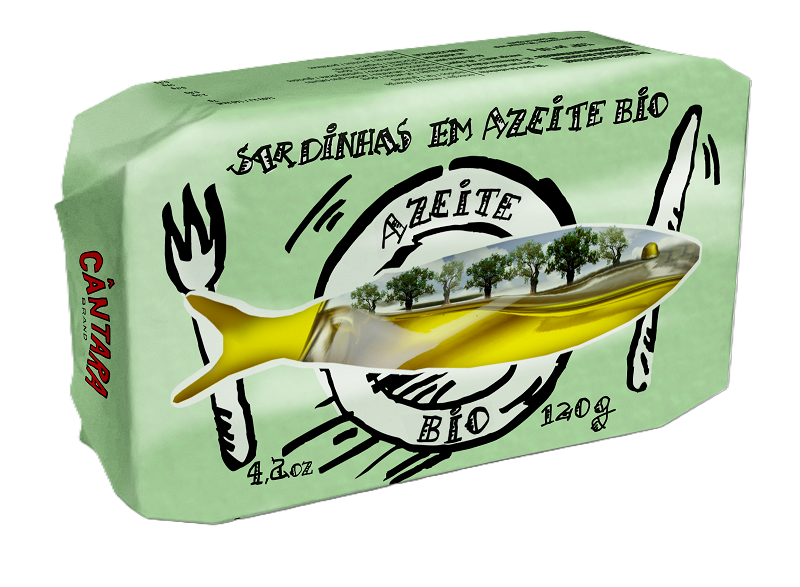
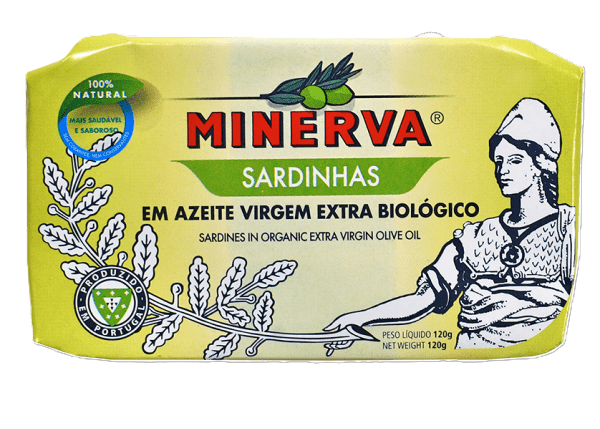
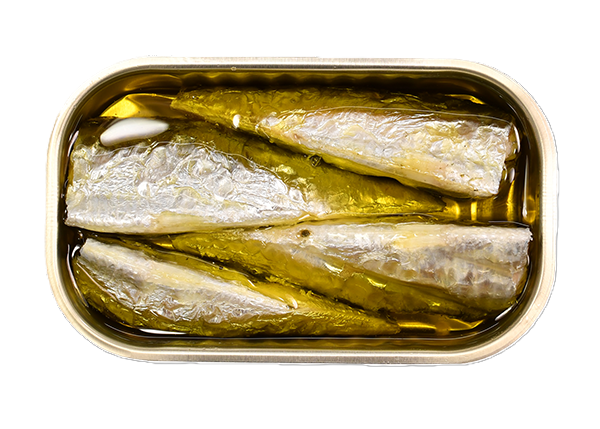
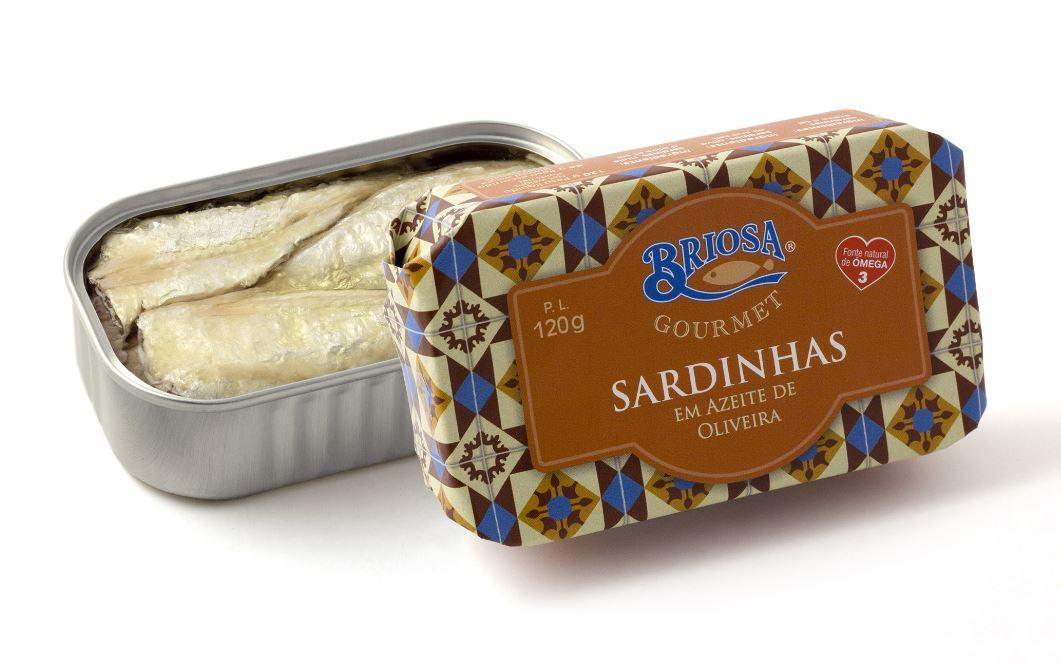
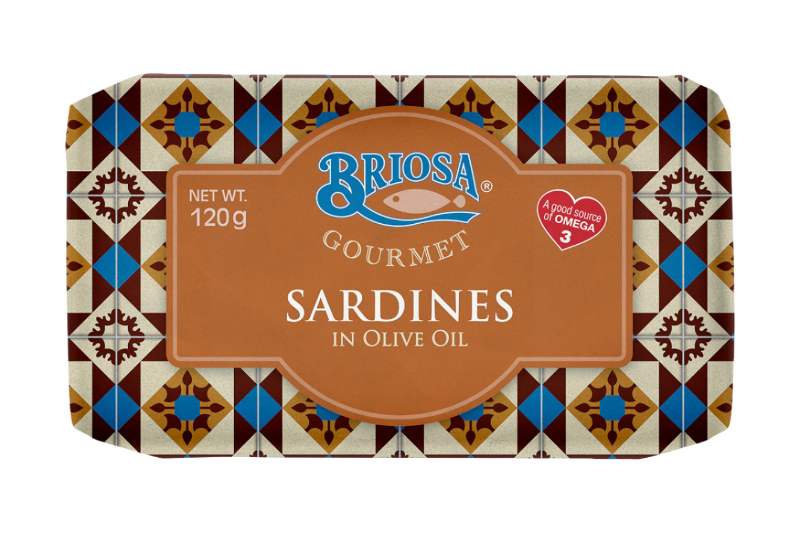
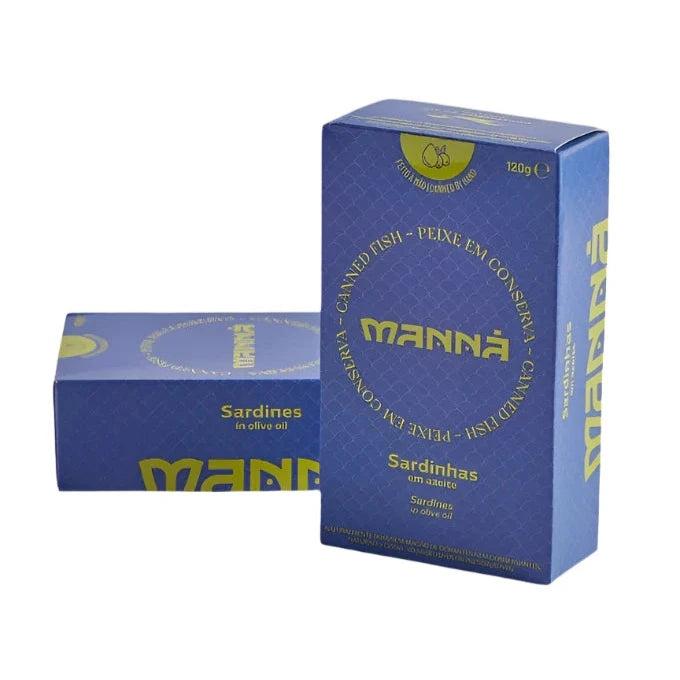
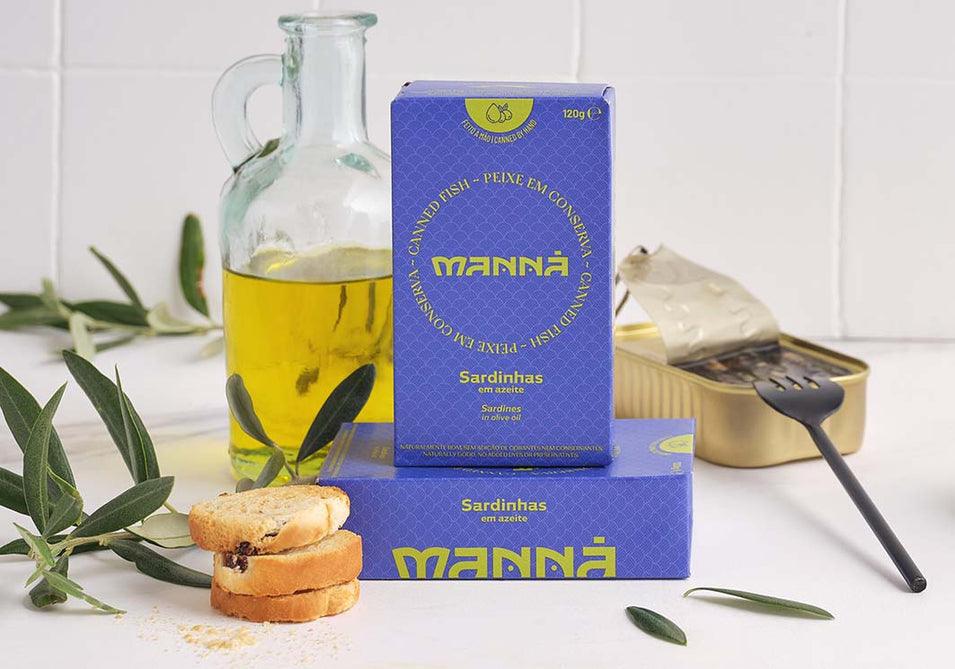
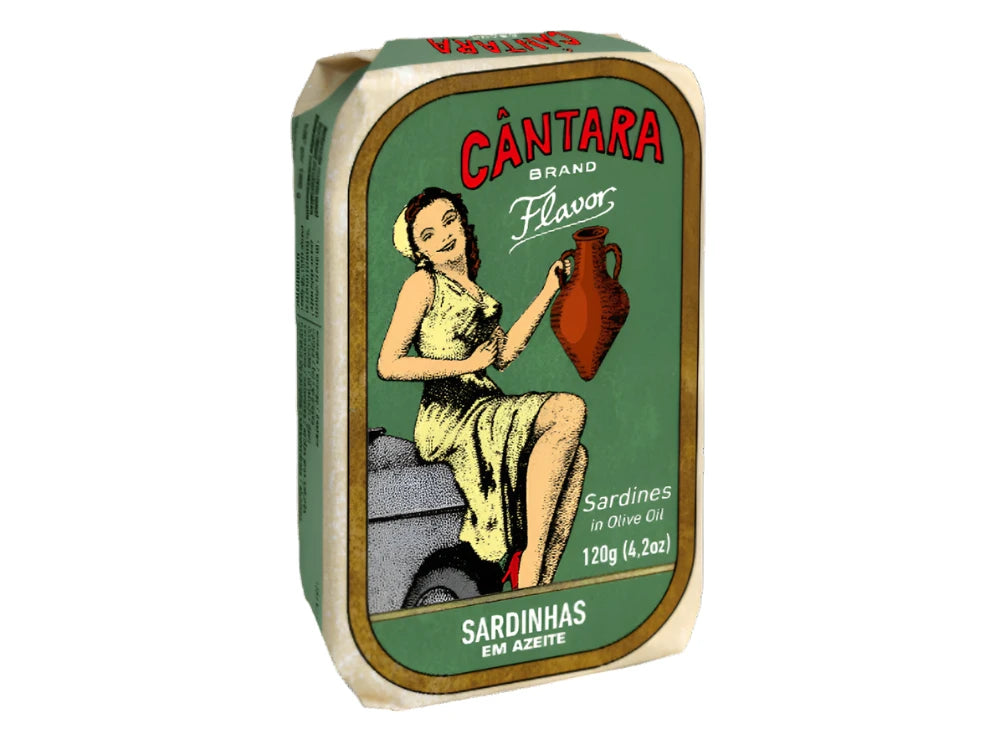
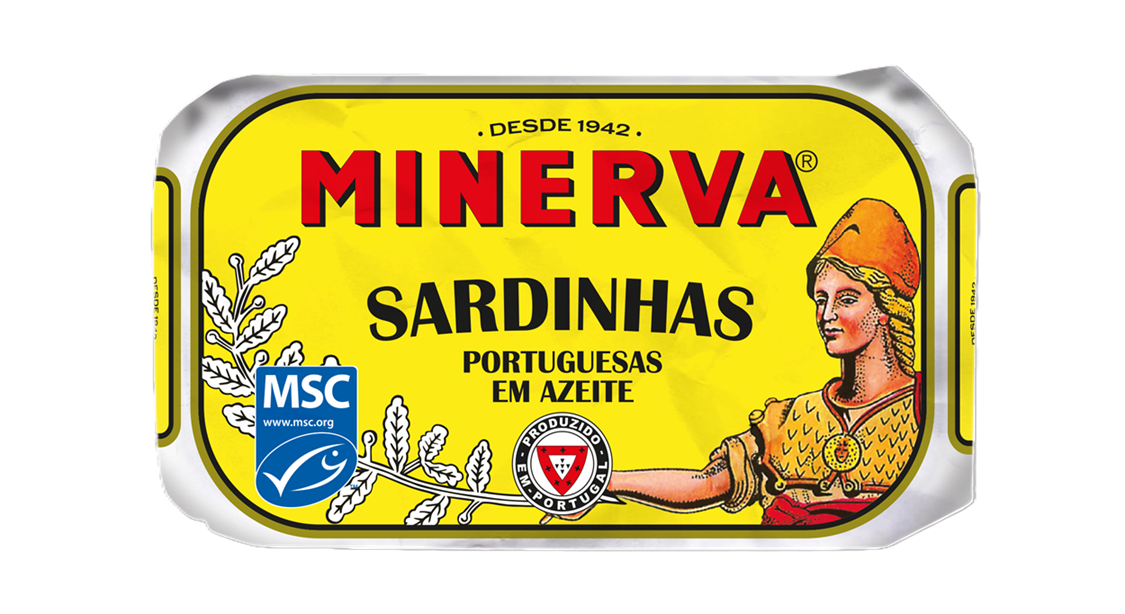
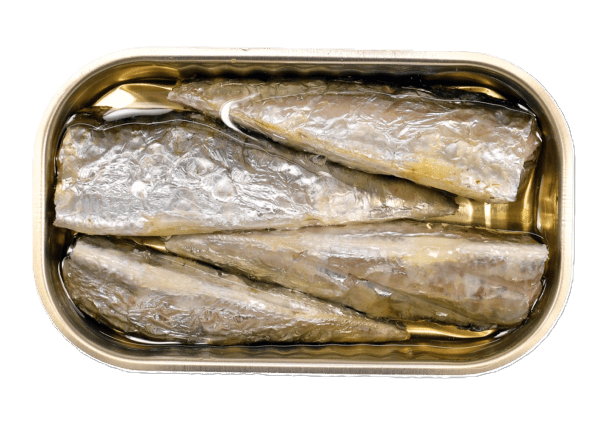
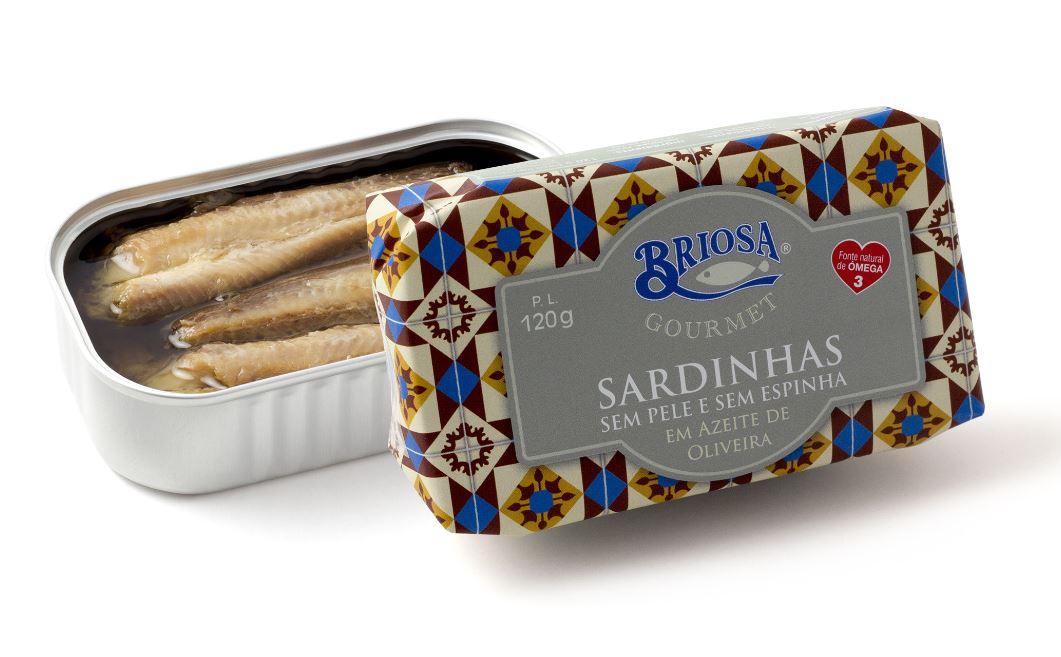
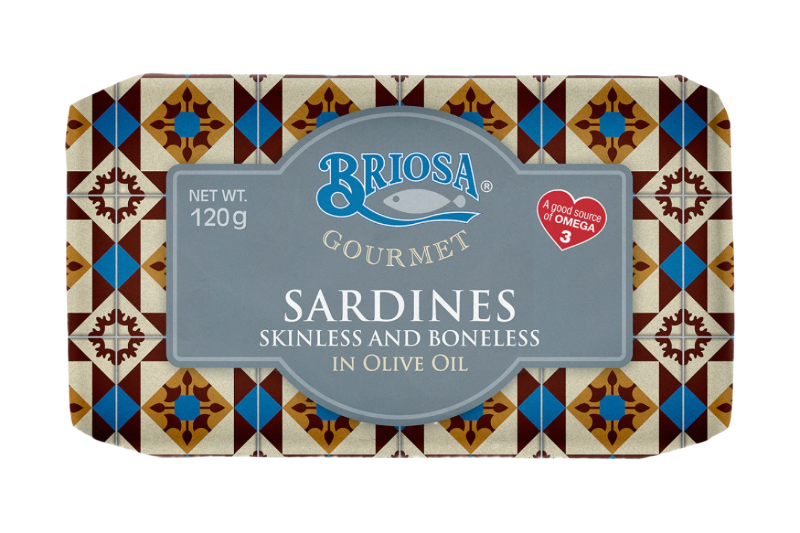
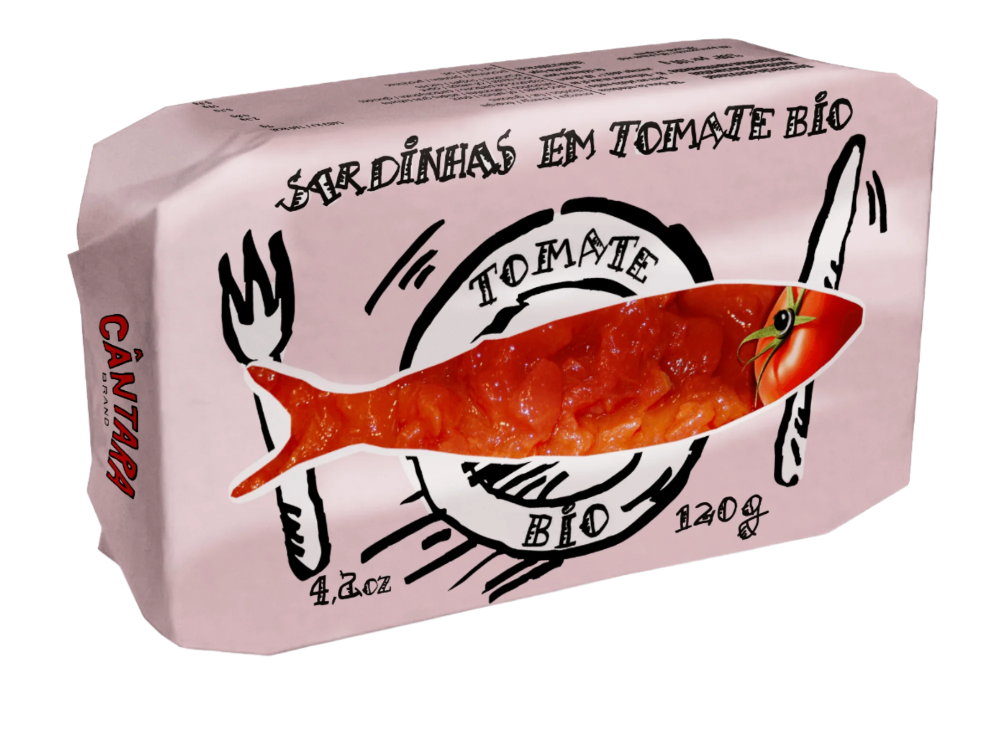
If, after reading this guide, you not only want to learn more about Portuguese gastronomy but also to taste authentic products made in Portugal, we invite you to explore our carefully selected assortment and begin your journey into Portuguese flavors with sardines!
Here you will find sardines, mackerel, tuna, octopus, and other canned seafood from Portuguese manufacturers, renowned for their long-standing experience, high quality, and respect for traditional production methods.
We believe that the best way to get to know Portugal is to taste the products that have been an integral part of its gastronomy for more than a century.

Leave a comment
This site is protected by hCaptcha and the hCaptcha Privacy Policy and Terms of Service apply.